

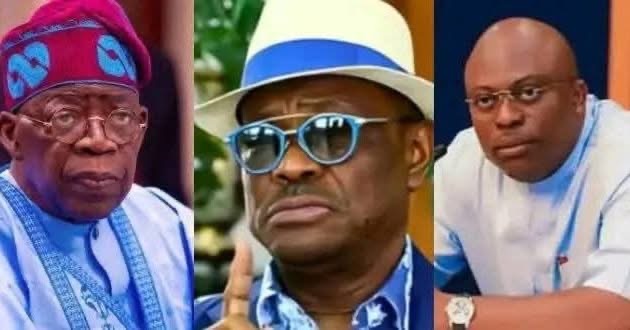
WAKIRIKE NATION REJECTS NYESOM WIKE’S CLAIMS OF SUPPORT: “HE HAS NOTHING TO DO WITH US” — FULL LOYALTY SHIFT TO GOVERNOR SIM FUBARA SHATTERS FORMER RIVERS STRONGMAN’S BASE
In a political earthquake that has sent tremors through Rivers State, the Wakirike (Okrika) ethnic nationality has publicly repudiated former Governor Nyesom Wike, declaring in no uncertain terms that he “has nothing to do with Wakirike” and denouncing anyone claiming to represent him in Ogu/Bolo and Okrika Local Government Areas as mere “puppies” acting without community consent. The declaration, widely circulated on social media and local platforms on January 26, 2026, represents an unprecedented blow to Wike’s once-unassailable riverine stronghold and exposes the widening chasm between the former governor and the people he once ruled with near-absolute control.
The Wakirike statement is categorical: their loyalty now lies entirely with Governor Siminalayi Fubara, GSSRS, whom they hail as “their Ijaw son” and the legitimate executive authority in the state. By drawing a sharp line in the sand, the Wakirike people have stripped Wike of his claims to influence in areas he historically dominated through infrastructure projects, empowerment schemes, and cultivated patronage networks during his eight-year tenure. In doing so, they have dismantled the carefully constructed narrative of continued allegiance that Wike has clung to, even from the halls of the FCT Ministry in Abuja.
This repudiation is particularly damning because Okrika and Ogu/Bolo were once political fortresses, central to Wike’s strategy of dominance in the riverine. These were communities where his control was absolute: where parallel assemblies, local appointments, and resource allocation flowed through Wike’s channels, ensuring near-total loyalty. For the Wakirike people to now openly declare him irrelevant signals a seismic shift in allegiance, fueled by Fubara’s growing legitimacy, his defection to APC with federal backing, and mounting frustration with Wike’s persistent interference.
The declaration also illuminates deepening ethnic and political fault lines in Rivers State. Wike has long framed his struggle against Fubara as a defense of “riverine interests” or a South-South solidarity crusade. The Wakirike response obliterates this framing. By affirming allegiance to Fubara, they assert that true representation lies not in historical loyalty to a former governor but in recognition of current governance and pragmatic leadership.
Timing magnifies the impact. Rivers State remains mired in political chaos: parallel assemblies, withheld local government funds, court battles, and ongoing threats of impeachment have paralyzed governance, much of it stemming from Wike’s continued attempts to maintain control post-tenure. Fubara’s alignment with APC and the federal administration has decisively shifted the balance, leaving Wike increasingly isolated — even within his historical base.
For the Wakirike, this is more than a political statement. It is a declaration of autonomy from a once-dominant political overlord. Their message is unambiguous: we are not your personal army, political ATM, or fallback option. We support leadership that governs here and now, not nostalgia-driven claims to power.
The consequences for Wike are stark. A former godfather, once viewed as untouchable, now faces the erosion of his base from within. Loyalty, long treated as permanent, has proven fleeting. The communities he cultivated through patronage are publicly siding with his rival, exposing him as vulnerable and politically diminished. In the unforgiving theatre of Rivers politics, such a public disowning by ethnic kin is both symbolic and practical — it erodes credibility, weakens bargaining power, and signals the potential end of his riverine dominance.
The Wakirike have spoken. In Rivers State, when Wakirike speaks, the political machinery listens. Wike’s next moves — whether to confront reality or continue fighting a losing war — will determine whether he remains a significant actor in the state or becomes a relic of a bygone era of political hegemony. The riverine people have made their choice. It is clear, and it is not him.